Dog Bite Emergencies
If you are bitten by a dog, here is a
checklist of things you should do:
·
If the dog's owner is present, request proof
of rabies vaccination, and get the owner's name and contact information.
·
Clean bite wound with soap and water as soon
as possible.
·
Consult your doctor immediately or go to the
emergency room if it's after office hours.
·
Contact the dog's veterinarian to check
vaccination records.
Did you know that ...
·
4.7 million people in this country are bitten
by dogs every year
·
children are by far the most common victims
·
800,000 Americans receive medical attention
for dog bites each year
·
children are far more likely to be severely
injured; approximately 400,000 receive medical attention every year
·
most dog bites affecting young children occur
during everyday activities and while interacting with familiar dogs
·
senior citizens are the second most common dog
bite victims
There are a number of things that you can do
to avoid dog bites, ranging from properly training and socializing your pet
to educating your children on how, or if, they should approach a dog.
Information is one of the best cures for this public health crisis.
What's a dog owner to do?
·
Carefully select your pet. Puppies should not
be obtained on impulse.
·
Make sure your pet is socialized as a young
puppy so it feels at ease around people and other animals.
·
Don't put your dog in a position where it
feels threatened or teased.
·
Train your dog. The basic commands
"sit," "stay," "no," and "come" help
dogs understand what is expected of them and can be incorporated into fun
activities that build a bond of trust between pets and people.
·
Walk and exercise your dog regularly to keep
it healthy and provide mental stimulation.
·
Avoid highly excitable games like wrestling or
tug-of-war.
·
Use a leash in public to ensure you are able
to control your dog.
·
Keep your dog healthy. Have your dog
vaccinated against rabies and preventable infectious diseases. Parasite
control and other health care are important because how your dog feels
affects how it behaves.
·
Neuter your pet.
·
If you have a fenced yard, make sure the gates
are secure.
How can you protect your family?
·
Be cautious around strange dogs, and treat
your own pet with respect. Because children are the most common victims of
dog bites, parents and caregivers should:
·
NEVER leave a baby or small child alone with a
dog.
·
Be alert for potentially dangerous situations.
·
Teach their children – including toddlers – to
be careful around pets. Children must learn not to approach strange dogs or
try to pet dogs through fences. Teach children to ask permission from the
dog's owner before petting the dog.
|

Friday, May 17, 2013
Dog Bite Prevention

Monday, April 8, 2013
Responsible Pet Ownership
Owning a pet is a privilege, but the
benefits of pet ownership come with responsibilities.
Be a Responsible Pet Owner:
- Commit
- Avoid impulsive decisions when selecting a pet.
- Select a pet that's suited to your home and lifestyle.
- Keep only the type and number of pets for which you can provide appropriate food, water, shelter, health care and companionship.
- Commit to the relationship for the life of your pet(s).
- Provide appropriate exercise and mental stimulation.
- Properly socialize and train your pet.
- Invest
- Recognize that pet ownership requires an investment of time and money.
- Make sure your pet receives preventive health care (vaccinations, parasite control, etc.), as well as care for any illnesses or injuries.
- Budget for potential emergencies.
- Obey
- Clean up after your pet.
- Obey all local ordinances, including licensing, leash requirements and noise control.
- Don't allow your pet to stray or become feral.
- Identify
- Make sure your pet is properly identified (i.e., tags, microchips, or tattoos) and keep its registration up-to-date.
- Limit
- Don't contribute to our nation's pet overpopulation problem: limit your pet's reproduction through spay/neuter, containment or managed breeding.
- Prepare
- Prepare for an emergency or disaster, including assembling an evacuation kit.
- Make alternate arrangements if you can no longer provide care for your pet.
- Recognize any decline in your
pet's quality of life and make timely decisions in consultation with a
veterinarian.

Friday, March 15, 2013
Groom Your Dog
At Somerset Veterinary Group, we know the importance of pet grooming for their overall health, that's why we wanted to share with you some tips and tricks for making your next at-home grooming a success. Please contact us if you have any questions or concerns about proper grooming techniques for your pet.

And here’s one of our most important tips of all—pile on the praise and offer your pooch a treat when the session is finished!
If your dog has a smooth, short coat (like that of a chihuahua, boxer or basset hound), you only need to brush once a week: - First, use a rubber brush to loosen dead skin and dirt.
- Next, use a bristle brush to remove dead hair.
- Now, polish your low-maintenance pooch with a chamois cloth and she’s ready to shine!
If your dog has short, dense fur that’s prone to matting, like that of a retriever, here’s your weekly routine:
- Use a slicker brush to remove tangles.
- Next, catch dead hair with a bristle brush.
- Don’t forget to comb her tail.
If your dog has a long, luxurious coat, such as that of a Yorkshire terrier, she’ll need daily attention:
- Every day you’ll need to remove tangles with a slicker brush.
- Gently tease mats out with a slicker brush.
- Next, brush her coat with a bristle brush.
- If you have a long-haired dog with a coat like a collie’s or an Afghan hound’s, follow the steps above, and also be sure to comb through the fur and trim the hair around the hocks and feet.
- First, give your pet a good brushing to remove all dead hair and mats.
- Place a rubber bath mat in the bathtub to provide secure footing, and fill the tub with about 3 to 4 inches of lukewarm water.
- Use a spray hose to thoroughly wet your pet, taking care not to spray directly in her ears, eyes or nose. If you don’t have a spray hose, a large plastic pitcher or unbreakable cup will do.
- Gently massage in shampoo, working from head to tail.
- Thoroughly rinse with a spray hose or pitcher; again, avoid the ears, eyes and nose.
- Check the ears for any foul odors or excessive debris; if you choose to use a cleansing solution on a cotton ball, take care not to insert it into the ear canal.
- Dry your pet with a large towel or blow dryer, but carefully monitor the level of heat.
Please note: Some animals seem to think that bathtime is a perfect time to act goofy. Young puppies especially will wiggle and bounce all over the place while you try to brush them, and tend to nip at bathtime. If this sounds like your pet, put a toy that floats in the tub with her so she can focus on the toy rather than on mouthing you.
- Begin by spreading each of your dog’s feet to inspect for dirt and debris.
- Use sharp, guillotine-type nail clippers to cut off the tip of each nail at a slight angle, just before the point where it begins to curve.
- Take care to avoid the quick, a vein that runs into the nail. This pink area can be seen through the nail. If your dog has black nails, however, the quick will not be as easily discernible, so be extra careful.
- If you do accidentally cut into the quick, it may bleed, in which case you can apply some styptic powder to stop the bleeding.
- Once the nails have been cut, use an emery board to smooth any rough edges.
If your dog has long or droopy ears, you should check them weekly. Remove wax and dirt from your pet’s ears with a cotton ball moistened with water or a little mineral oil. You may need to remove any excess hair leading into the ear canal; ask your pet’s vet or groomer to show you how before trying it at home. There are special hair removers that allow you to carefully pull one strand at a time.

Groom
Your Dog
Snip, clip, wash and dry! Groom your dog like a pro.
Ever watched your dog roll on the ground, lick her coat or chew at a mat on her fur? These are her ways of keeping clean. Sometimes, though, she’ll need a little extra help from her friend to look her best.Make Grooming as Enjoyable as Possible—For the Both of You!
Grooming sessions should always be fun, so be sure to schedule them when your dog’s relaxed, especially if she’s the excitable type. Until your pet is used to being groomed, keep the sessions short—just 5 to 10 minutes. Gradually lengthen the time until it becomes routine for your dog. You can help her get comfortable with being touched and handled by making a habit of petting every single part of your dog, including such potentially sensitive areas as the ears, tail, belly, back and feet.And here’s one of our most important tips of all—pile on the praise and offer your pooch a treat when the session is finished!
Brushing
Regular grooming with a brush or comb will help keep your pet’s hair in good condition by removing dirt, spreading natural oils throughout her coat, preventing tangles and keeping her skin clean and irritant-free. And grooming time’s a great time to check for fleas and flea dirt--those little black specks that indicate your pet is playing host to a flea family.If your dog has a smooth, short coat (like that of a chihuahua, boxer or basset hound), you only need to brush once a week: - First, use a rubber brush to loosen dead skin and dirt.
- Next, use a bristle brush to remove dead hair.
- Now, polish your low-maintenance pooch with a chamois cloth and she’s ready to shine!
If your dog has short, dense fur that’s prone to matting, like that of a retriever, here’s your weekly routine:
- Use a slicker brush to remove tangles.
- Next, catch dead hair with a bristle brush.
- Don’t forget to comb her tail.
If your dog has a long, luxurious coat, such as that of a Yorkshire terrier, she’ll need daily attention:
- Every day you’ll need to remove tangles with a slicker brush.
- Gently tease mats out with a slicker brush.
- Next, brush her coat with a bristle brush.
- If you have a long-haired dog with a coat like a collie’s or an Afghan hound’s, follow the steps above, and also be sure to comb through the fur and trim the hair around the hocks and feet.
Bathing
The ASPCA recommends bathing your dog every 3 months or so; your pet may require more frequent baths in the summertime if she spends lots of time with your outdoors. Always use a mild shampoo that’s safe to use on dogs, and follow these easy steps:- First, give your pet a good brushing to remove all dead hair and mats.
- Place a rubber bath mat in the bathtub to provide secure footing, and fill the tub with about 3 to 4 inches of lukewarm water.
- Use a spray hose to thoroughly wet your pet, taking care not to spray directly in her ears, eyes or nose. If you don’t have a spray hose, a large plastic pitcher or unbreakable cup will do.
- Gently massage in shampoo, working from head to tail.
- Thoroughly rinse with a spray hose or pitcher; again, avoid the ears, eyes and nose.
- Check the ears for any foul odors or excessive debris; if you choose to use a cleansing solution on a cotton ball, take care not to insert it into the ear canal.
- Dry your pet with a large towel or blow dryer, but carefully monitor the level of heat.
Please note: Some animals seem to think that bathtime is a perfect time to act goofy. Young puppies especially will wiggle and bounce all over the place while you try to brush them, and tend to nip at bathtime. If this sounds like your pet, put a toy that floats in the tub with her so she can focus on the toy rather than on mouthing you.
Nail Clipping
Most people really don’t handle their dog’s feet until they are about to clip the nails and then…watch out! Some animals can get very upset at this totally foreign feeling. That’s why it’s a good idea to get your dog used to having her feet touched before you attempt a nail trim. Rub your hand up and down her leg and then gently press each individual toe—and be sure to give her lots of praise and some food treats as you do this. Every animal is different, but chances are that within a week or two of daily foot massage, your dog will be better able to tolerate a trim. Here’s how to do it:- Begin by spreading each of your dog’s feet to inspect for dirt and debris.
- Use sharp, guillotine-type nail clippers to cut off the tip of each nail at a slight angle, just before the point where it begins to curve.
- Take care to avoid the quick, a vein that runs into the nail. This pink area can be seen through the nail. If your dog has black nails, however, the quick will not be as easily discernible, so be extra careful.
- If you do accidentally cut into the quick, it may bleed, in which case you can apply some styptic powder to stop the bleeding.
- Once the nails have been cut, use an emery board to smooth any rough edges.
Special Breeds, Special Needs
Dogs with loose facial skin or wrinkles—such as shar peis and pugs—will need special attention. To prevent dirt and bacteria from causing irritation and infection, clean the folds with damp cotton. Always thoroughly dry the areas between the folds.If your dog has long or droopy ears, you should check them weekly. Remove wax and dirt from your pet’s ears with a cotton ball moistened with water or a little mineral oil. You may need to remove any excess hair leading into the ear canal; ask your pet’s vet or groomer to show you how before trying it at home. There are special hair removers that allow you to carefully pull one strand at a time.
Tuesday, February 19, 2013
Brushing Your Pet’s Teeth
Dental Care Tips from Somerset Veterinary Group
February is Pet Dental Health Month, and the team at Somerset Veterinary Group knows how important oral health is for your pet. We recommend regular at-home dental care to ensure that your pet's mouth--and the rest of their body--stays healthy as long as possible! We encourage you to read this great article and please contact us right away if you have questions or concerns about your pet's dental care and dental health.

Brushing Your Pet's Teeth
Equally important to annual dental
exams at your veterinarian’s practice is home dental care, including brushing
your pet’s teeth every day if possible. AAHA recommends a technique for both
younger and older animals, although it’s easier to start brushing when your pet
is young.
To introduce a fearful cat or dog to
the idea of dental care, start slowly and gradually. Dip a finger into beef
bouillon (for dogs) or tuna water (for cats) and gently rub along your pet’s
gums and teeth. The most important area to focus on is the gum line (the
crevice where the gums meet the teeth), where bacteria and food mix to form
plaque. Focusing on the gum line, start at the front of the mouth, then move to
the back upper and lower teeth and gum areas. Once your pet is okay with a
little bit of touching, gradually introduce gauze over your finger and rub the
teeth and gums in a circular fashion.
When your four-legged friend can handle
the gauze, try brushing with a toothbrush specially designed for pets or a very
soft, ultra-sensitive toothbrush designed for people. The bristles should be
held at a 45-degree angle to the tooth surface and be moved in an oval motion.
Scrub in the gum line, as this is where odor and infection begin. Gradually add
special dog/cat toothpaste (flavored with meat or fish), but never use people
toothpaste or baking soda, as both will upset your pet’s stomach.
Use the following process to clean the
inside surfaces of your pet’s teeth:
- Place your hand over your pet’s muzzle from the top
- Gently squeeze and push his lips on one side between the back teeth (to keep his mouth open)
- Pull his head back gently so his mouth opens
- Brush his teeth on the opposite side
- Repeat this process for the other side
The entire process should only take a
minute or two. If your dog or cat continues to resist, try gently wrapping him
in a large bath towel with only his head sticking out. Above all, avoid
overstraining and keep sessions short and positive. With plenty of praise and
reassurance, your dental sessions can bring the two of you closer---a closeness
that won’t be marred by the perils of dog breath.
Home care can be improved by feeding
your pet an unmoistened dry pet food and offering him hard biscuits after each
meal. Both dry food and hard biscuits produce abrasion to help keep plaque to a
minimum on the crown of each tooth.
Dental care of dogs and cats is one of
the most commonly overlooked areas of pet health care; however, it is necessary
to provide optimum health and quality of life. Diseases of the oral cavity, if
left untreated, are often painful and can lead to more serious health problems
including heart, lung and kidney disease.
AAHA encourages pet owners to regularly
examine their pet’s teeth for signs of periodontal disease, such as brownish
colored teeth; swollen, red, or bleeding gums; persistent bad breath; loose
teeth or loss of teeth; pus between the gums and teeth; broken teeth and any
unusual growth in the mouth. Reluctance to eat, play with chew toys, or drink
cold water are warning signs of periodontal or gum disease. Consult your
veterinarian if you notice any of these signs in your pet to schedule a dental
exam.
There are two critical components of
your pet’s veterinary dental care: oral examinations and dental cleanings.
Veterinary dental care begins at the puppy and kitten life stage. As your pet
ages, your veterinarian will look for developmental anomalies, the accumulation
of plaque and tartar, periodontal disease and oral tumors. Veterinarians can
perform a basic oral examination on patients that are awake. However, when a
cleaning is required, your pet will need to be induced under general anesthesia
wherein a thorough examination will be done prior to the cleaning. Dental
cleanings performed while your pet is awake is not only dangerous for the team
member performing the cleaning but dangerous to your pet as well.
Since there is an element of risk
associated with any medical procedure, it is important that safety precautions
are used. Among the many standards in the dentistry section, AAHA accreditation
requires that veterinarians perform thorough examinations of the teeth and
structures of the oral cavity in patients presented for dental procedures and
only properly trained practice team members perform dental procedures.
Additionally, AAHA Standards recommend that dental procedures are accompanied
by pain assessment and appropriate pain treatment.
Click here for an instructive video by the
Cornell Feline Health Center on brushing your cat’s teeth.
Originally published on Healthy
Pet.
Monday, January 21, 2013
ASPCA Winter Cat Care and Safety Tips
When the weather outside turns cold and snowy, the American Society for the Prevention of Cruelty to Animals (ASPCA) reminds you to think about your pet's safety and recommends the following winter care tips to protect your companion animal:
1. Keep your cats inside. Outdoor cats can freeze, or become lost or stolen, injured or killed.
2. During the winter, outdoor cats sometimes sleep under car hoods for warmth. Before starting your car, bang loudly on the hood and wait a few seconds to give the cat a chance to escape.
3. Antifreeze, even in tiny doses, is a lethal poison for cats. Unfortunately, its sweet taste attracts animals to it. Thoroughly clean up spills from your vehicle. To prevent accidental poisoning, more and more people are using animal-friendly products that contain propylene glycol rather than traditional products containing ethylene glycol. Call your veterinarian or the ASPCA Animal Poison Control Center (1-888-4ANI-HELP) if you suspect your animal has been poisoned.
4. Never leave your pet alone in a car during the cold weather. A car can act as a refrigerator in the winter, holding in the cold. Your companion animal could freeze to death.
5. Make sure your pet has a warm place to sleep far away from drafts and off the floor. Consider a cat bed or basket with a warm blanket or pillow in it.
Originally published on The Cat Channel.
1. Keep your cats inside. Outdoor cats can freeze, or become lost or stolen, injured or killed.
2. During the winter, outdoor cats sometimes sleep under car hoods for warmth. Before starting your car, bang loudly on the hood and wait a few seconds to give the cat a chance to escape.
3. Antifreeze, even in tiny doses, is a lethal poison for cats. Unfortunately, its sweet taste attracts animals to it. Thoroughly clean up spills from your vehicle. To prevent accidental poisoning, more and more people are using animal-friendly products that contain propylene glycol rather than traditional products containing ethylene glycol. Call your veterinarian or the ASPCA Animal Poison Control Center (1-888-4ANI-HELP) if you suspect your animal has been poisoned.
4. Never leave your pet alone in a car during the cold weather. A car can act as a refrigerator in the winter, holding in the cold. Your companion animal could freeze to death.
5. Make sure your pet has a warm place to sleep far away from drafts and off the floor. Consider a cat bed or basket with a warm blanket or pillow in it.
Originally published on The Cat Channel.
Thursday, November 1, 2012
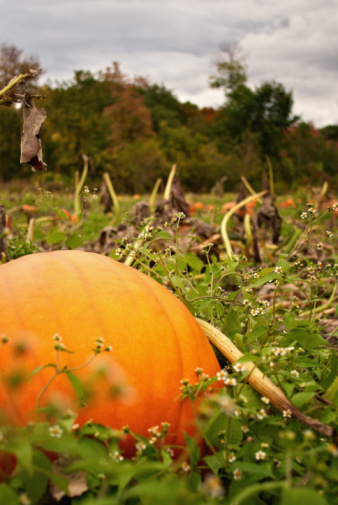
Pumpkin Ice Bites for Dogs
Want your dog to have a delicious and safe holiday treat? Here's a simple recipe you can make at home:
Blend 1 cup
of canned pumpkin with 1 cup of plain non-fat yogurt and freeze in an ice tray.
Dogs can be given these one cube at a time (outside, because they can be a
little messy for carpet!).
This mixture can also be stuffed into a Kong or
rubber stuffable toy and frozen. That will allow hours of dog entertainment!
Thursday, October 25, 2012
Hurricane Sandy
Dear Owner:
 If you become displaced because of the hurricane and need to house
your pet temporarily, please contact our
If you become displaced because of the hurricane and need to house
your pet temporarily, please contact our
The following guidance
will help keep your pet safe during evacuations and other emergency situations.
Hurricane Sandy and Animals
The most important thing a person can do is to plan ahead. If you are asked to evacuate, you need to bring your pets with you. You need to start thinking today about where you will take your pets -- ask a dependable friend or relative who lives some distance from the evacuation area if you and/or your pets can stay with them until the all clear is given. An alternative is to find a pet friendly motel. There a number of them listed on the web:
http://www.pet-friendly-hotels.net/pet-friendly-hotels-newjersey.html
http://www.bringfido.com/lodging/state/new_jersey/
http://www.funnewjersey.com/upload_user/Weekend_Getaways/HOTELS.HTM
You should have a portable pet carrier for each animal and identification with each animal. Bring copies of the pet's licenses, leashes, water and food bowls, pet foods, bottled water, special medications and instructions for their administration, any special needs for your pet, blankets, handy wipes, paper towels and litter or bedding.
Go to http://www.nj.gov/agriculture/divisions/ah/pdf/petbro.pdf for more information on emergency planning for pets.
Go to http://www.nj.gov/agriculture/divisions/ah/pdf/livestockbro.pdf for more information on emergency planning for livestock.
Go to http://www.nj.gov/agriculture/divisions/ah/prog/helpfullinks.html for other helpful links.
Listen for public safety announcements and if you are called to evacuate -- DO NOT leave your pets behind!
Hurricane Sandy and Animals
The most important thing a person can do is to plan ahead. If you are asked to evacuate, you need to bring your pets with you. You need to start thinking today about where you will take your pets -- ask a dependable friend or relative who lives some distance from the evacuation area if you and/or your pets can stay with them until the all clear is given. An alternative is to find a pet friendly motel. There a number of them listed on the web:
http://www.pet-friendly-hotels.net/pet-friendly-hotels-newjersey.html
http://www.bringfido.com/lodging/state/new_jersey/
http://www.funnewjersey.com/upload_user/Weekend_Getaways/HOTELS.HTM
You should have a portable pet carrier for each animal and identification with each animal. Bring copies of the pet's licenses, leashes, water and food bowls, pet foods, bottled water, special medications and instructions for their administration, any special needs for your pet, blankets, handy wipes, paper towels and litter or bedding.
Go to http://www.nj.gov/agriculture/divisions/ah/pdf/petbro.pdf for more information on emergency planning for pets.
Go to http://www.nj.gov/agriculture/divisions/ah/pdf/livestockbro.pdf for more information on emergency planning for livestock.
Go to http://www.nj.gov/agriculture/divisions/ah/prog/helpfullinks.html for other helpful links.
Listen for public safety announcements and if you are called to evacuate -- DO NOT leave your pets behind!
Provided
by: Shari C. Silverman VMD, Principal
Veterinarian, New Jersey Department of Agriculture, Division of Animal Health
Be
safe!
Your
friends at SVG
Subscribe to:
Posts (Atom)